
Helping Vulnerable Children Find Hope and a Future
Helping Vulnerable Children Find Hope and a Future
The world is home to over two billion children, each with unique potential, dreams, and needs. Among them, millions face immense challenges—poverty, conflict, abuse, neglect, and illness—that threaten to rob them of the childhood they deserve and the future they are meant to have. These children are the most vulnerable among us, often unseen and unheard, yet they are closest to the heart of God. As a society, as believers, and as compassionate individuals, we are called to step into the gap and help vulnerable children find hope and a future.
This comprehensive discussion will explore the multifaceted struggles faced by vulnerable children, the profound importance of giving them hope, and actionable ways we can make a meaningful impact. By examining the physical, emotional, and spiritual dimensions of their challenges, and the power of love, advocacy, and community support, we can bring light into the lives of children who need it most.
Understanding the Struggles of Vulnerable Children
To help vulnerable children find hope, we must first understand the depths of the challenges they face. Vulnerability among children can arise from a variety of factors, often overlapping to compound their difficulties. Below are some of the primary struggles experienced by vulnerable children worldwide.
1. Poverty and Lack of Basic Needs
Poverty is one of the most significant barriers to a child’s well-being. According to UNICEF, over 356 million children globally live in extreme poverty, surviving on less than $1.90 per day. For these children:
- Hunger and Malnutrition: Many children lack consistent access to nutritious food, which affects their physical growth, cognitive development, and overall health.
- Inadequate Shelter: Poor living conditions expose them to health risks and often lack the stability needed for emotional security.
- Limited Access to Education: Poverty often forces children to leave school early to work and support their families, depriving them of the opportunities education provides.
- Healthcare Inequities: Without access to basic medical care, preventable illnesses and diseases claim the lives of millions of children every year.
2. Abuse and Neglect
Tragically, many vulnerable children experience physical, emotional, or sexual abuse. Neglect is another form of harm that often goes unnoticed but can have devastating consequences. These children:
- Struggle with trust and attachment issues.
- Face long-term psychological trauma, including anxiety, depression, and post-traumatic stress disorder (PTSD).
- Are at risk of perpetuating cycles of abuse and dysfunction without intervention.
3. Conflict and Displacement
Children living in war zones or regions of political instability face unimaginable suffering. The United Nations estimates that 43 million children worldwide have been forcibly displaced. These children:
- Endure violence, separation from their families, and loss of their homes.
- Live in refugee camps or on the streets, often without access to education or healthcare.
- Face a heightened risk of exploitation, trafficking, and recruitment into armed groups.
4. Orphanhood and Family Instability
Millions of children are orphaned or abandoned each year due to parental death, illness, incarceration, or addiction. Without the love and support of a stable family, these children:
- Face emotional isolation and a lack of guidance.
- Are often institutionalized or placed in foster care systems, which can lack resources or consistency.
- Struggle to build a sense of identity and belonging.
5. Mental Health Challenges
Many vulnerable children face mental health struggles due to their circumstances. These challenges often go unaddressed due to stigma, lack of awareness, or limited access to care. Common issues include:
- Anxiety and depression.
- Behavioral problems stemming from trauma.
- Suicidal thoughts among older children and teenagers.
The Importance of Hope in a Child’s Life
Hope is more than a fleeting emotion; it is a life-giving force that empowers children to overcome adversity and believe in a brighter future. For vulnerable children, hope can be the difference between survival and thriving.
1. Restoring Dignity and Identity
Many vulnerable children feel invisible and unworthy due to their circumstances. Offering them hope affirms their value and dignity, reminding them that they are seen, loved, and capable of great things.
2. Encouraging Resilience
Hope strengthens resilience by helping children envision a future beyond their current struggles. It motivates them to persevere through challenges and seek opportunities for growth and change.
3. Providing a Sense of Belonging
Children need to feel connected to others and know they are not alone. When we extend compassion and support, we create a sense of belonging that fosters emotional healing and stability.
4. Inspiring Dreams and Goals
Hope fuels ambition and creativity, enabling children to dream beyond their immediate circumstances. It opens the door to education, careers, and personal fulfillment.
Practical Ways to Help Vulnerable Children Find Hope
Transforming the lives of vulnerable children requires a holistic approach that addresses their physical, emotional, and spiritual needs. Below are actionable ways to make a difference.
1. Meet Their Basic Needs
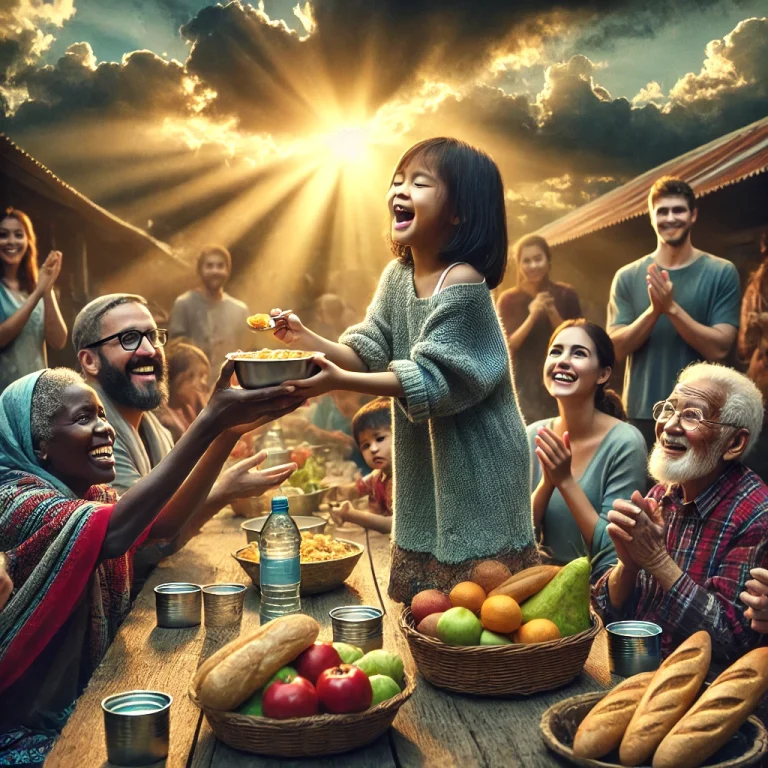
- Food and Nutrition: Partner with local food banks, charities, or international organizations like World Vision to provide meals for children in need.
- Healthcare: Support medical missions or initiatives that provide vaccinations, clean water, and essential healthcare services.
- Shelter: Contribute to housing projects that offer safe and stable homes for children and families in crisis.
2. Provide Access to Education
Education is a powerful tool for breaking the cycle of poverty and vulnerability. Ways to help include:
- Sponsoring a child’s education through reputable organizations.
- Donating school supplies, books, and technology to underserved schools.
- Volunteering as a tutor or mentor to help children excel academically.
3. Advocate for Child Protection
Raise awareness about issues such as child abuse, trafficking, and exploitation. Advocate for stronger policies and programs that prioritize child safety and well-being.
- Partner with local governments to implement child protection laws.
- Support shelters and rehabilitation programs for survivors of abuse or trafficking.
- Educate communities about recognizing and reporting signs of abuse.
4. Foster Emotional Healing
- Counseling and Therapy: Support organizations that provide trauma-informed care and counseling for children.
- Mentorship Programs: Volunteer to mentor a child, offering guidance, encouragement, and a listening ear.
- Safe Spaces: Create safe environments where children can express themselves through art, music, or play.
5. Strengthen Families
Healthy families are the foundation of a child’s well-being. Support programs that:
- Provide parenting education and resources.
- Offer addiction recovery and mental health support for parents.
- Reunite children with families whenever safe and possible.
6. Support Foster Care and Adoption
Millions of children worldwide are in need of loving homes. Consider:
- Becoming a foster parent or adopting a child.
- Supporting foster and adoptive families through donations, babysitting, or emotional support.
- Advocating for policies that improve the foster care system.
7. Share the Message of God’s Love
Spiritual hope is a powerful force for healing and transformation. Share the Gospel with children and let them know they are deeply loved by God.
- Partner with ministries that work with vulnerable children.
- Support Vacation Bible Schools, youth programs, and church outreach events.
- Pray for children and their families, asking God to provide comfort, guidance, and protection.
The Role of Community and Collaboration
Helping vulnerable children requires collective action. Governments, nonprofits, faith-based organizations, and individuals must work together to create systemic change. Here’s how communities can play a role:
- Grassroots Movements: Local initiatives often have the greatest impact because they understand the unique needs of their communities.
- Corporate Responsibility: Businesses can contribute through philanthropy, employee volunteering, and ethical practices.
- Global Partnerships: International organizations can bring resources, expertise, and advocacy to scale efforts effectively.
Stories of Hope and Transformation
To inspire us, here are real-life examples of children who found hope through the love and support of others:
- Maria’s Education Journey: Maria, a girl from a rural village, overcame poverty and illiteracy thanks to a scholarship program. Today, she is a teacher, giving back to her community.
- James’ Refugee Story: James, a war orphan, found a new family through adoption. He now leads a nonprofit helping other refugee children rebuild their lives.
- Amina’s Healing Through Art: Amina, a survivor of abuse, discovered her voice through art therapy. Her paintings now raise awareness about child protection.
Conclusion: Be the Light in a Child’s Darkness
The challenges faced by vulnerable children may seem overwhelming, but together, we can make a difference. Each act of kindness, each prayer, each effort to meet their needs brings hope to a child’s life. Remember, Jesus said in Matthew 25:40, “Whatever you did for one of the least of these brothers and sisters of mine, you did for me.”
Let us rise to the call to protect, nurture, and uplift the most vulnerable among us. By doing so, we not only transform their lives but also fulfill our shared mission to reflect God’s love in the world. Together, let us help vulnerable children find hope and a future, ensuring that no child is left behind, forgotten, or unloved.

Leave a Reply